“I overdo because I was never done for”
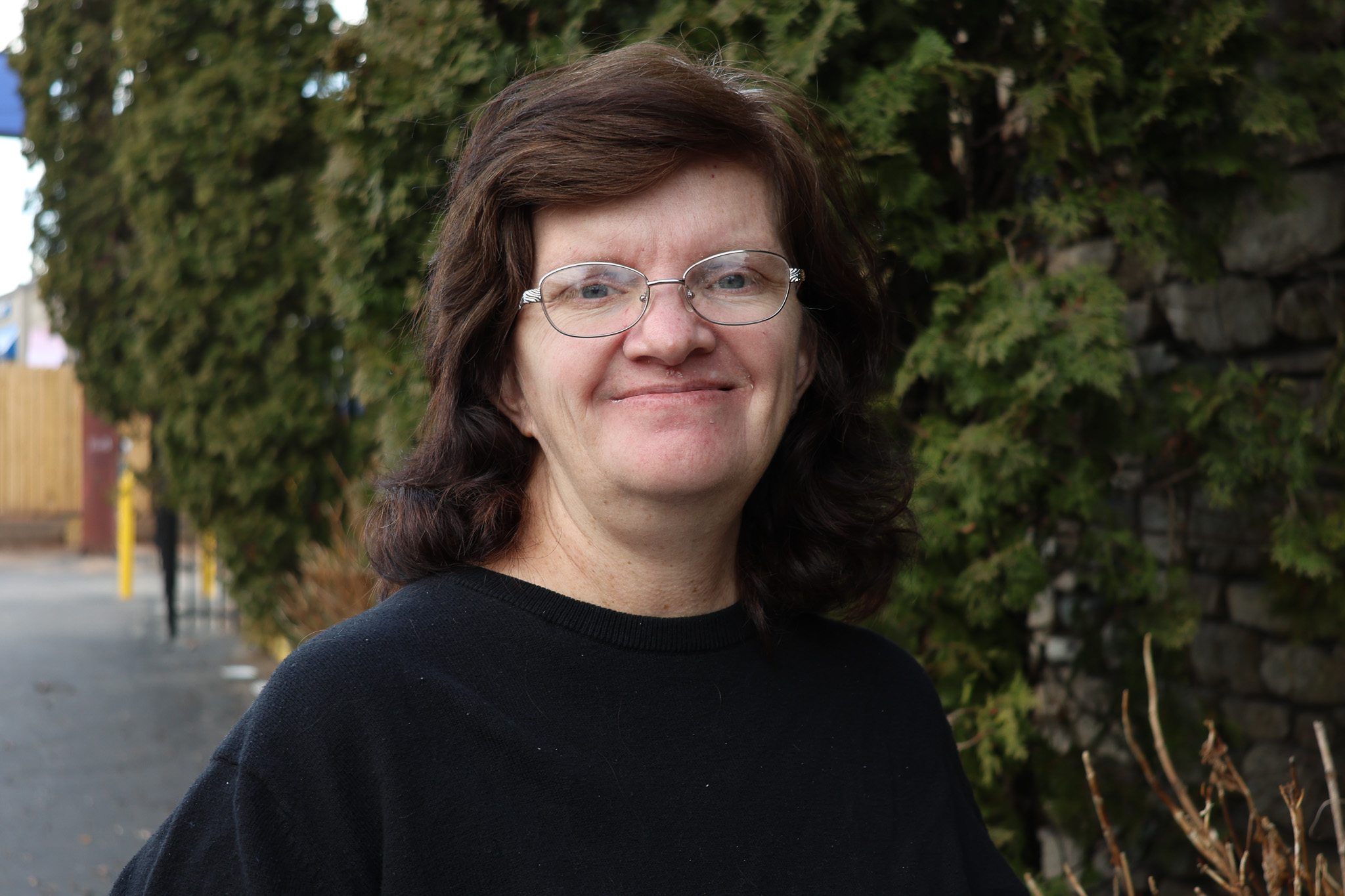
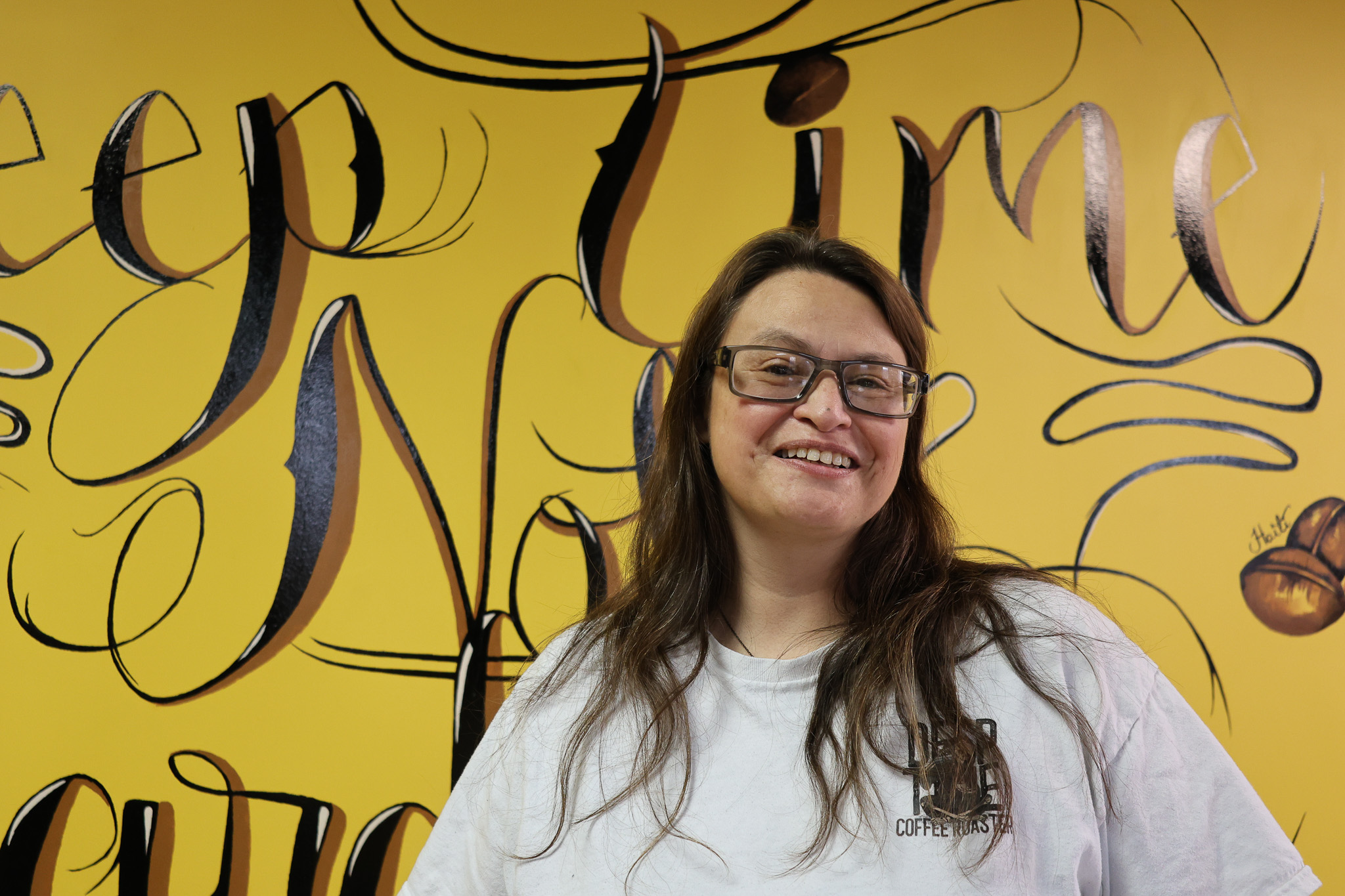
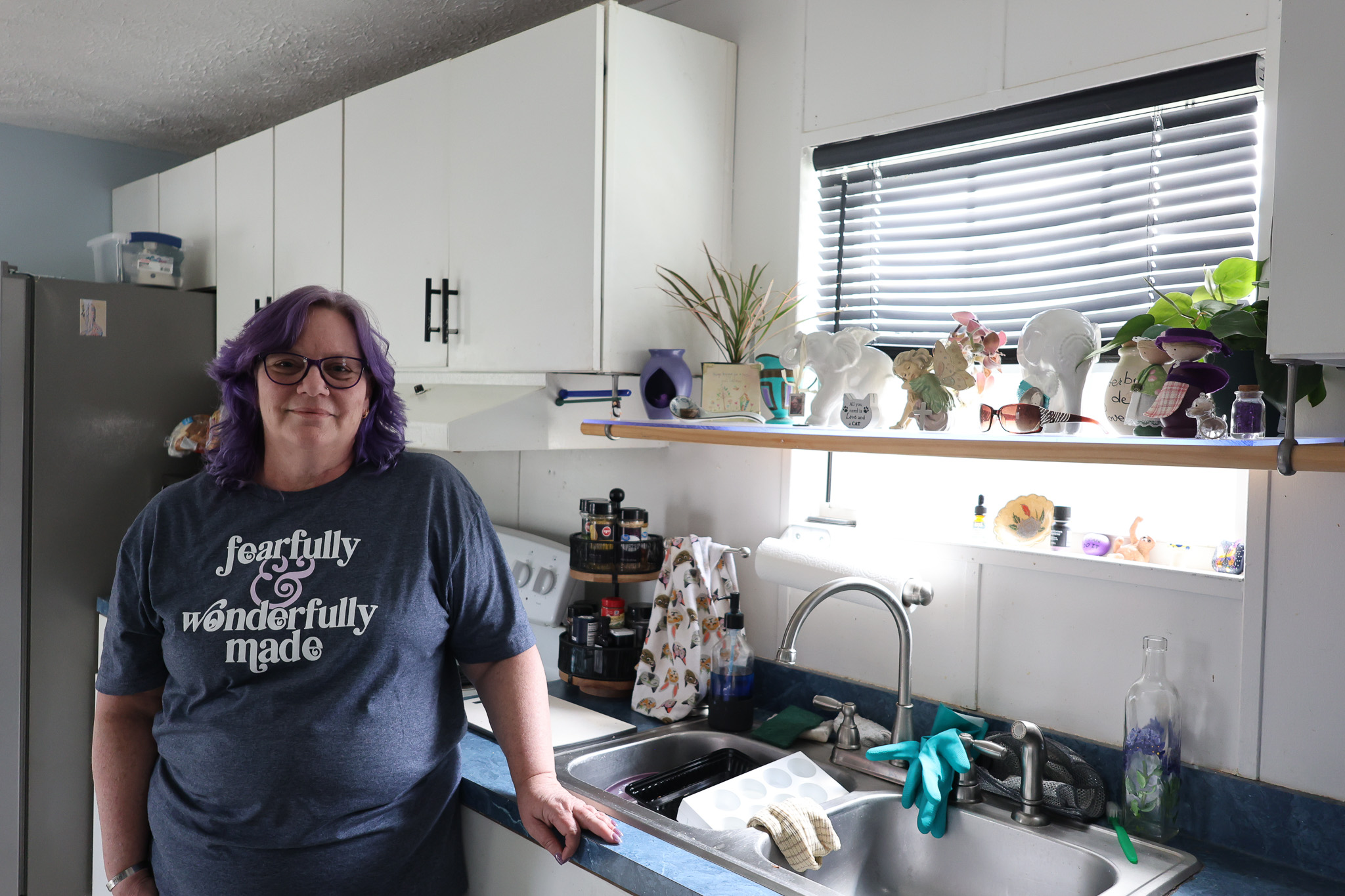
Kimala is a 57-year-old grandmother from Asheville, North Carolina. At the height of the pandemic, she packed three suitcases and boarded her first-ever flight to Anchorage, Alaska. She left because there were too many memories at home.
Her husband and partner of 17 years died on Thanksgiving Day in 2010. Six years later, she lost her 25-year-old daughter to a drug overdose. Understandably, she felt she had to get as far away as possible.
Alaska gave Kimala the fresh start she was searching for. Within days of arriving, she found a job and secured a place to live. Her work was demanding, but it kept her busy. A few years later, Kimala returned to Asheville to be closer to her aging parents, even though they haven’t had a real relationship since she was 16. She had also made a promise to her granddaughter that she would stay until she graduated from high school.
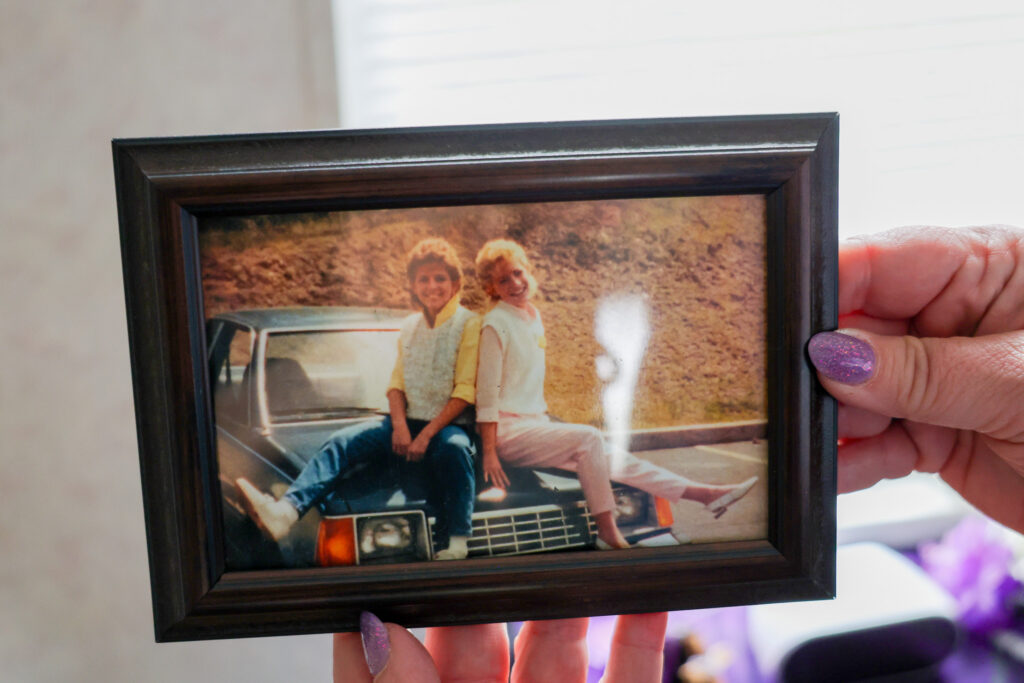
After returning to Asheville, Kimala found herself in a controlling and abusive relationship.
“They’re not that way at first,” Kimala says. Her days began at 6 a.m. She wasn’t allowed to talk to anyone on the phone, drive, visit friends, or make decisions without facing repercussions. Her abuser also found ways to take her disability income, leaving her with no money of her own.
Eventually, Kimala reached her breaking point. During one argument, her abuser told her to commit suicide.
Kimala replied, “Fine, I will.”
In response, her abuser called the police and had her involuntarily committed (IVC). The police removed her from the home, and she was handcuffed for over an hour. While she was hospitalized, her abuser canceled an important surgery without her consent.
Hoping to remove Kimala from his life permanently, he contacted her best friend, assuming the hospital would release her into her care. What he didn’t expect was that Kimala’s best friend of 46 years was ready to help her start over.
Kimala’s friend came to the hospital, stayed with her as long as she could, and arranged for Kimala to move into a spare bedroom in her home. Kimala lived there for six months while searching for a place of her own. However, finding a place on her own proved difficult. She has limited income and mobility due to her health issues.
“Everything here that’s income-based or ‘affordable’ has a two-and-a-half-year waiting list,” Kimala says. “I was searching everywhere.”
While exploring options, she heard about Homeward Bound. The timing could not have been better. Homeward Bound’s Homelessness Prevention team met with Kimala, enrolled her into the program, and was able to pay for Kimala’s first two months of rent along with the deposit. The best part is that we were able to place her in a home right next door to her daughter and granddaughter.
“I could have done it, but it would have been a stretch,” Kimala says.
“You guys saved me and gave me a peaceful place to live and be stress-free… I’m able to save. I got a good start, a cushion. Y’all gave me a soft landing.”
Kimala has lived in her home since February. Over the past few months, she has slowly furnished it by finding furniture and household items through the internet and local thrift stores. She also enjoys helping friends and family find things online. She calls them treasures.
“I just need a stable, quiet, peaceful place. I don’t have anybody questioning what I’m doing.”
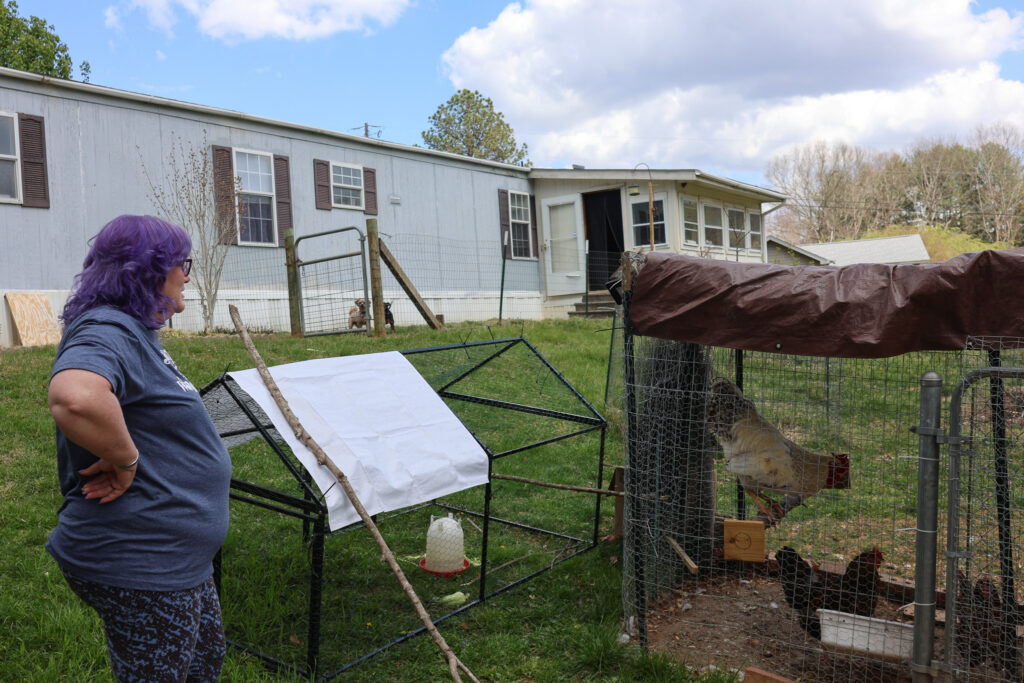
She and her daughter’s family care for chickens on the property, and herds of deer regularly wander through the yard. Kimala often stands outside to ground herself and enjoy the quiet. During our interview, Charlie and Lego, her two dogs, stayed nearby.
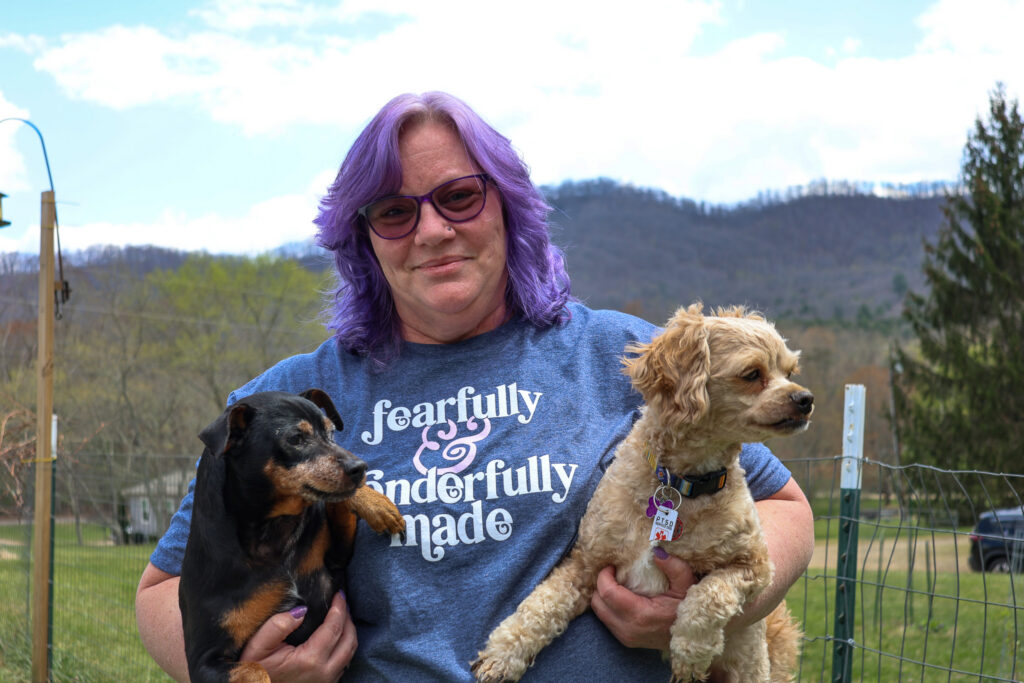
Cooking is a source of comfort. She enjoys finding healthier ways to prepare her favorite recipes for her family and even her dogs. She’s in speech therapy following vocal cord surgery and goes to counseling to work through her past. She also leans on her faith for strength.
“My therapist tells me I overdo because I was not done for,” says Kimala. “I overgive. I overdo.”
Still, she’s unsure of how she became stuck in an abusive relationship right on the heels of her self-reliance in Alaska. All she had wanted was to come back home.
“I look back now and wonder how I got trapped and became completely controlled. I see the IVC as a savior. It gave me a way to get out. I’m not a worrier. I just know it’s going to work out. It’s going to be fine. I keep moving, I keep doing, and the Lord keeps me going.”